Week 51, 2019

Closing up shop

An in-between week, as we work towards wrapping up the year while trying to conserve enough energy to get us there. Paris is less festive than previous years due to the gravity of the nation-wide strikes which continue through the holidays. Making our way through the city means a lot of walking, and walking through tense demonstrations and a lot of traffic. People are getting by but I feel there’s a collective sign of relief to welcome Christmas family time. I’m also glad to do a Big Clean and head to Tokyo, where there will be a much stronger sense of closure as we prepare to greet the next decade.

I’ve got a few personal projects in the queue for the next two weeks. I’m happy with the books I’ve read over the past month but it’s time to switch from consuming to producing mode.

Unrelated, a recent realization: I revel in the emergence phase of a project. I am elated bouncing off ideas with someone and the quality of thinking correlates to my overall happiness with a project. I knew that already. What I hadn’t realized was that I get really testy when the fragile space needed for that work is not respected. And I get despondent when I don’t have a buddy to explore with. Our triggers are our triggers, might as well know them?

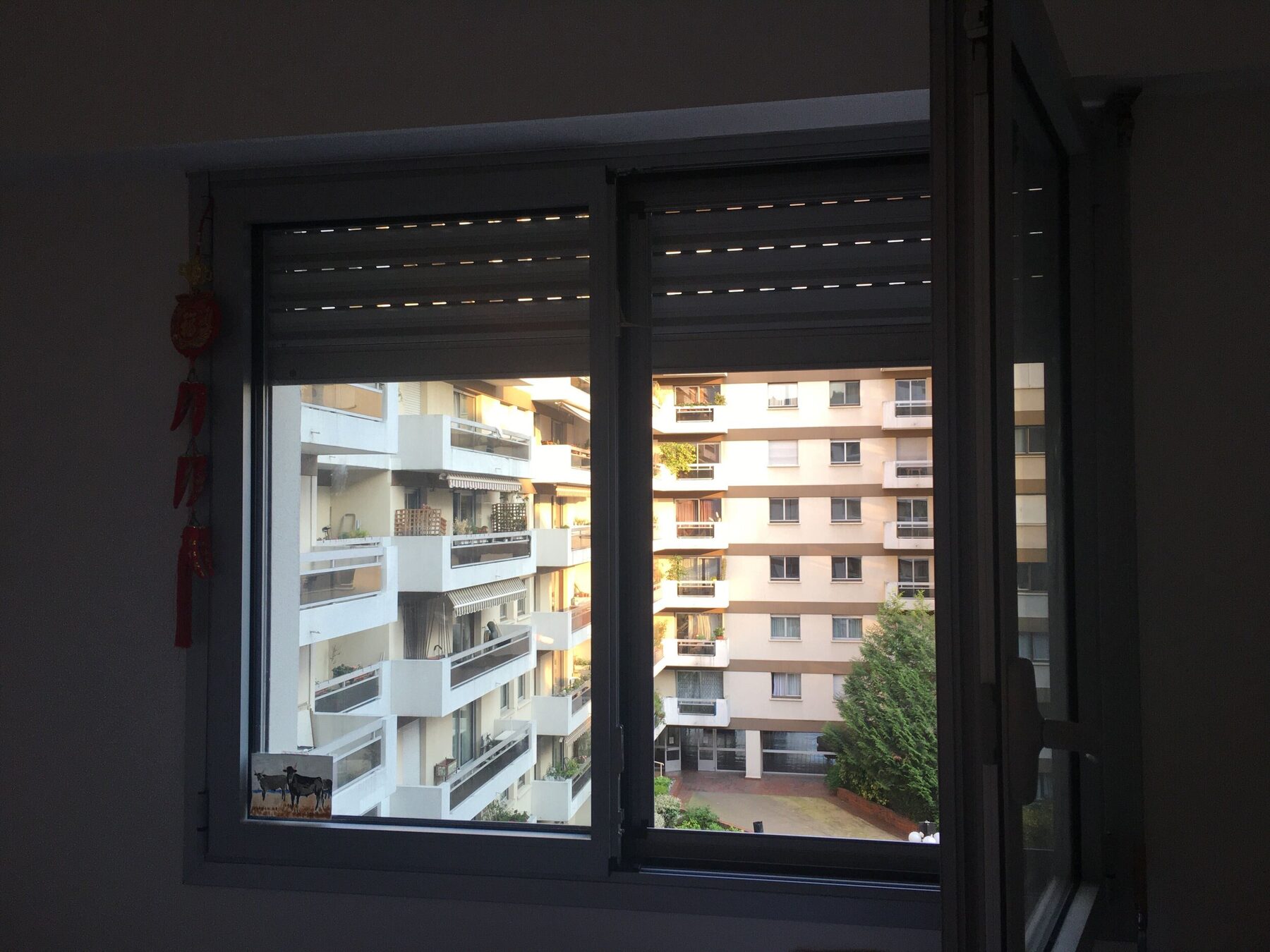
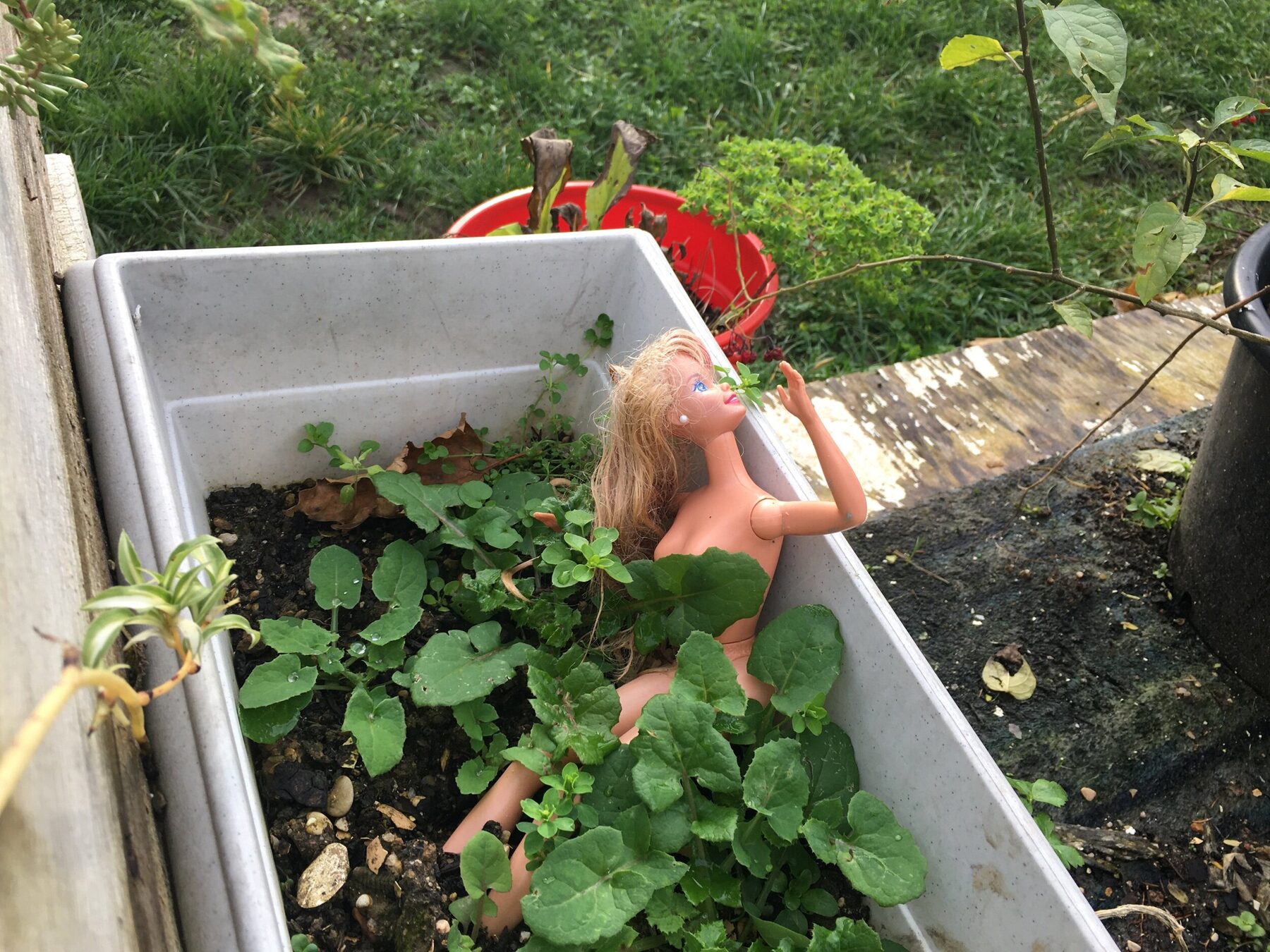
A scene from the community garden in my neighborhood

Week 50, 2019

Staying close to home

It’s been a quiet week. No travel, no workshops, no deadlines.

I spent a big chunk of my week writing a project overview deck, which sounds unexciting but was actually quite important. A meaty piece of content that captures in one place what we mean to achieve, a statement piece that a project could be rallied around, which we could refer back to again when things seem unclear. It took a lot out of me but I’m glad it exists now. Projects need its purpose to be articulated and shared, and it’s too often replaced by some kind of project plan. But people don’t rally around a plan.

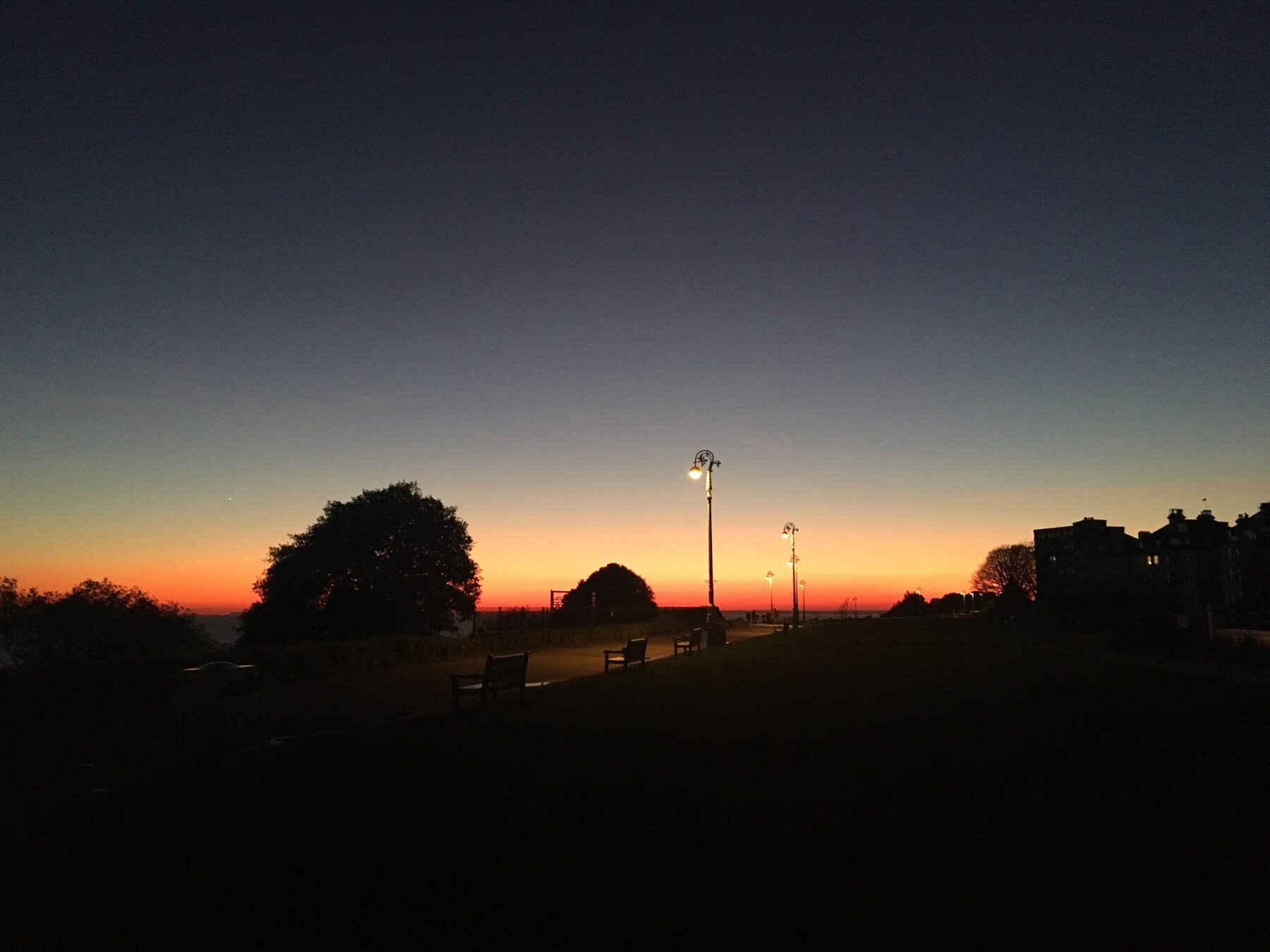
Epic sunset over the Channel

Week 49, 2019

Let’s take the time

This week started off with two long days of user research in the UK, which both shortened and lengthened the feeling of the week! I took it easy on Wednesday so by the time Friday rolled around, I wasn’t too sure which day of the week it was….

First hand field research experience is critical to a project member’s ability to contribute and perform. Spending time in the genba gives us the anchor to be truly useful, and not let ourselves get caught in the follies of egos and organizational matters.

I’m making my way through “Nonviolent Communication: Create Your Life, Your Relationships, and Your World in Harmony with Your Values” by Marshall B. Rosenberg and “Clean Approaches for Coaches” by Marian Way. The former was because more than a few friends around me in Paris have gotten into NVC, and the different parts of the story they told over the years culminated into a strong interest. The latter is a continuation of my exploration of Clean Language after reading about Systemic Modelling, and combining my interest in pursuing coaching skills.

So it was a bit of a coincidence to start on two books that present approaches that are complimentary to one another - as far as I can currently tell, anyway. They both have similar starting points, in separating an observation from an often-emotional reaction, in order to analyze the underlying intention or need behind the observed action. Another similarity is the focus on spoken language as the key medium or material to play with.

I think the meta-learning here is about slowing down. Take in the present for a moment (or two!) before charging ahead, which typically results in hurting others but also ourselves. And to let that more steady response increase the likelihood of circumstances moving in our favor.

The idea of clarifying intent is very interesting to me because design is all about intent. So I’m hoping that after I’ve swam in these ideas for a while more, the connections with design will emerge and I’ll be able to synthesize them more deeply.

At a hotel bar in Frankfurt, Germany.

Week 48, 2019

One last drink

It’s been an incredibly long week, and I’m dumbstruck by how flattened I feel by the sheer volume of work that I put in. But it’s been a great lesson on how critical it is to be able to enjoy time spent together as a team, as a rock-solid foundation of any effort we put in. And there are the moments spent together on actual work, and the moment spent in between - the breaks, the lunches, the chit chat on our chat apps, and that last drink where we don’t talk about work.

Off to Charles de Gaulle airport to catch a plane to Athens.

Week 47, 2019

Towards curiosity

Being flown in for workshops is a surreal experience. You’re fully immersed in a bubble, partly of your own making but as an outsider. After a flurry of hard work, intense focus and a slew of unhealthy habits, you drop back into the regular programming at home. A bit like parallel universes. I have multi-day workshops for two different clients in two different countries and it’s giving me a bit of whiplash.

I can’t write about the client assignments so let me record a few thoughts about a book instead. This week I read “From Contempt to Curiosity - Creating the Conditions for Groups to Collaborate” by Caitlin Walker, the originator of Systemic Modelling. It’s the Clean Language approach applied to organizational contexts - a dialog-based process that unearths and then helps us shape the metaphors that underpin our mental models.

It’s a wonderful book and I read it in one sitting, then went back through it again through Kindle Highlights. It’s great to follow the journey of how different hypotheses and experiments over 15 years build upon each other. More of our consulting work should have a stronger red thread - it’s definitely something I want to be more intentional about. The tools seem to be quite rigorous and actionable, so I’m looking forward to digging into further material to see what I can put in practice.

I’ll quote the opening and closing statements here:

“This book is about attention. It explores how the quality of the attention we pay to ourselves, to the stories we hear, to the people we meet and to the world at large, profoundly affects the things we are able to think and therefore the things we are able to do.”

“We have an approach for creating the time and space that we need to connect and to collaborate - a process for inspiring capability in ourselves, and in one another, to move away from contempt, towards curiosity, compassion and love. So that more of us are able to be at our best, much more of the time.”

Week 46, 2019

Why walk on your hands?

I have three multi-day workshops for different clients in different countries with completely different topics in the space of four weeks, and this week was an in-between week among that intensity.

I’ve kept it really low key, enjoying the quiet time while charging my batteries. I played around with a new furniture layout in the living room which took me on a path to a new online training program just because there was more space. A three day trial turned out to be a lot of fun and I already seeing gains expressed through my regular CrossFit routine. So I’m going to give the foundational eight week program a serious go, and am looking forward to the process immensely.

Past attempts at building a home training regime have been superficial and fleeting (in hindsight) but things feel different this time. My heavy travel schedule blocks me from consistently working out and it’s high time I did something about that - bringing my running shoes for an occasional run isn’t cutting it.

The idea of having fun by working on different movements and discovering what your body can do… I don’t think I ever really understood that. I’m a gym rat that likes to get in a good workout in a group setting with a coach and then leave happy. But the program talks about building a mindful practice and it’s not yoga or mobility and I’m already seeing results so… wow it could be just what I needed but didn’t know I did!

This coincides with a focus on handstand walking in my gym’s programming. In the past I’d had a hard time really getting into working on these movements, preferring the cardio or weightlifting movements. But thinking about play vs practice vs perform modes has helped me be in the right mindset when tackling this kind of session. Having this range of modes and being able to intentionally switch one on feels like it could unlock a different phase of my training.

Hotel residents in Calais, France where I was back for a client workshop

Week 45, 2019

Searching for red threads

It’d been months since we’d caught up, and we had a meandering conversation, the best kind that webs and flows between all kinds of topics. Through it, he casually put his finger on a common thread between several of my current and past interest.

How is knowledge captured and passed on?

It’s information architecture, it’s design research, it’s databases, it’s knowledge management, it’s communities, it’s workshops… it’s stories, and it’s creating the space for them to emerge and the space for them to them to be listened to.

There’s a string here that needs to be pulled and pulled and pulled. Wow.

Willows in Calais, France

A fresh start?

I closed the account for the server where my Wordpress site lived. Accidentally, thinking it was something else. Most of my Weeknotes, and almost a decade of sporadic blog posts have disappeared.

I’m speechless.

But it’s… fine, actually. Time for something else.

Week 10, 2019

Extending invitations

In the past few weeks Paris has had big grey skies with fleeting moments of clear blues and bright sunlight, while still remaining cold and rainy. It’s not spring yet, regardless of the increase in pollen that’s starting to make me sneeze.

Inviting people into conversations

A brighter beam of sunlight was an observation by my AQ colleague Sachiko about client onboarding, which led to clearer thinking about the essence of onboarding — it’s an invitation to join a journey — and how we might better design for it.

Why are we here? It’s a question that we keep coming back to in all kinds of contexts, and yet, manage not to answer in a clear-enough manner, even in specific ones like kicking off a project. But if we considered how each member needed to be invited into the conversation, perhaps momentum would become simpler to build.

That framing of invitation design came from a podcast episode on The Conversation Factory by my buddy Daniel Stillman. He’s pointed me to a few references that I’m looking forward to pursuing next week.

The Art of Gathering by Priya Parker

I kept seeing references to this book, and the impetus of ‘invitation design’ led me to start reading it. The author makes the point that we spend our lives gathering, which has given me food for thought whenever I’ve met someone in the past week. For lunches, meetings, drinks, with colleagues, friends, new acquaintances etc. The Art of Gathering by Priya Parker | PenguinRandomHouse.com: Books

“Hosts of all kinds, this is a must-read!” —Chris Anderson, owner and curator of TED A bold new approach to how we… www.penguinrandomhouse.com

Talking about the book with some friends has already been fun. It’s not a hard read; I think I’ll manage to finish in the next few days. And maybe test myself by hosting a dinner party :P

A puzzling amount of the book is dedicated to dinner parties… which I find mostly amusing but a bit painful as it triggers a reflection on my ‘report card’ as a host 👀

Retrospectives as a gathering

These ideas feed into shaping how I could articulate the design decisions and goals for my activities with Design Research Tokyo. I’m still working through it though, so I’ll document here a small experiment instead. We ran a retro for the last event, which I approached a little bit differently — or shall I say, more intentionally — as its host. I think it went well. Retros could use a shake-up now and then.

  • Explicit opt-in: Bring up the idea of a retro before sending invites, get acknowledgement for all participants that it’s going to be a thing
  • Set expectations: Share the ‘rules of the game’ as part of the calendar invite, signalling that we’re all expected to contribute towards a productive session
  • Prime the conversation: Create a space for people to start their reflections before the meeting (a Mural canvas with a few questions, in this case) so that the conversation can shoots out of the gates in Minute 1 of the session
  • Go around the table: Each person has a chance to be heard, at the same time, they are expected to add their voice to the conversation. I think this is especially important to protect for retros, where we tend to focus on issues and improvements.
  • End the meeting on time: Good habits lead to healthy teams.
  • Ask permission to assign follow-ups: I think it’s nice when weaved into the flow of conversation as ideas come up, as opposed to dry list at the end.
  • Promptly react when follow-up actions are taken: Re-inforcing good habits lead to healthy teams 😺
Week 42, Year 2018

The ‘Phone a Friend’ Option

Spurred by this informative article about different approaches to documenting your week — thank you Sam Villis! — I’ve decided to give it a go here on Medium. A week seems like a reasonable cadence to reflect and write about ideas, conversations and encounters of interest.

Weeknote styles

Alright yes, week 42 was three weeks ago… but it was a really good week so I’m unceremoniously batch-posting three weeknotes in a row to kick things off 😅

I had two occasions to reach out to friends for professional advice. It’s not my natural instinct to pick up the phone like that, and I was amazed at the boost it brought 🚀 — from the timely and relevant information, of course, but also from the exchange of energy with people that I don’t get to spend enough time with.

  • Asked for a crash course in an unfamiliar domain to help sharpen my point of view for a client assignment. I had a few hypotheses but didn’t have the context to have confidence in them or the time to research a whole new field, so it was great to get a sense check from someone who plays at the top level of that domain.
  • Asked for advice on how to position myself in an unsettling dynamic with a new collaborator. Honestly, just asking for time from someone whose instincts I trust calmed me down. Our conversation started with my ‘problem’ and quickly expanded to future-forward topics.

Both calls were so easy to organize — I just had to ask — and because they were ‘business’ conversations, we hung up after 60 minutes. Why don’t I do this more often? And you, reader, are very welcome to ask for calls, too 👍

It was a particularly social week thanks to increased activity with a couple of CoPs, some recent, some not.

  • A call with Emma Boulton about teaming up to conduct the next batch of analysis as part of ResearchOps community initiatives. Having conducted two studies on the operational mechanisms of increasing the impact of UX research, the community has already produced several useful models, made available in the Medium publication. There’s still a lot of interesting data left on the table that I’m excited to dig into. More on that soon!
  • Dinner with a few members from the OuiShare community, from a daisy chain of I-want-you-to-meet-someone’s. These opportunities are so much fun — very light on small talk, even though you’re sitting in a restaurant with strangers. But they’re not really strangers, are they?
  • Follow-up conversations with people I met in San Francisco last week at Google’s Design Sprint conference. The atmosphere of the event and the high concentration of like-minded practitioners gathered there made each in-person exchange a rich one, which translates into a lot of post-conference activity. There’s a lot to learn from in how these connections unfold.

Debating how design consulting services could be better provided is an ongoing thing in my day to day, and it’s sure to be a frequent topic in future weeknotes. Here are two particularly meaty questions that I chewed on with colleagues this week:

  • How might we (as a design studio) give confidence to a client who’s not familiar with design processes? Is there a simulated way to familiarize them on the journey?
  • How might we assess the needs of a new client who frames their challenge through the lens of customer experience, so that we can quickly establish an approach? Are there safe ways to avoid the “wait, this isn’t a service design (or whichever ‘type’ of design) problem” realization a few weeks into the project?