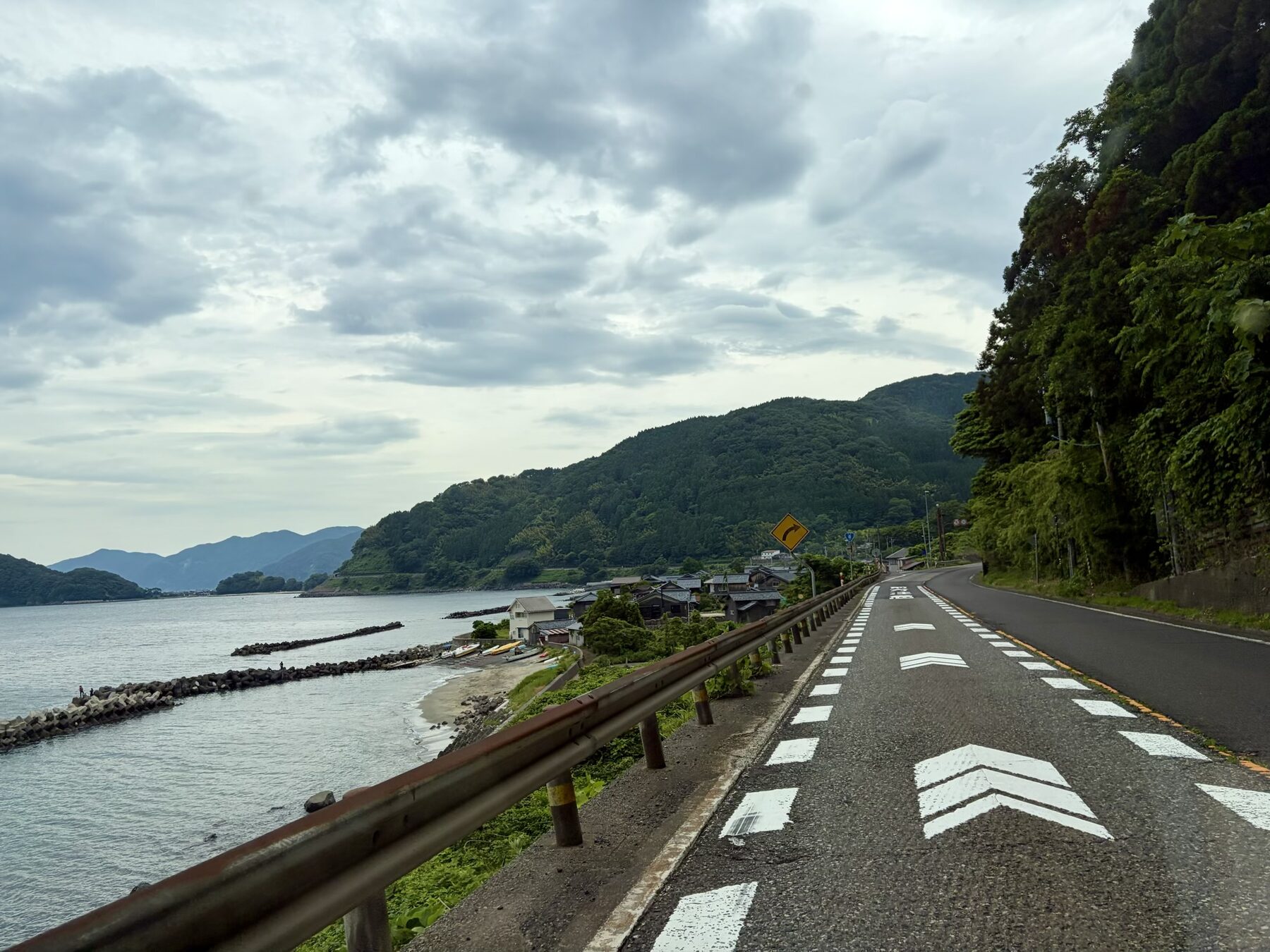
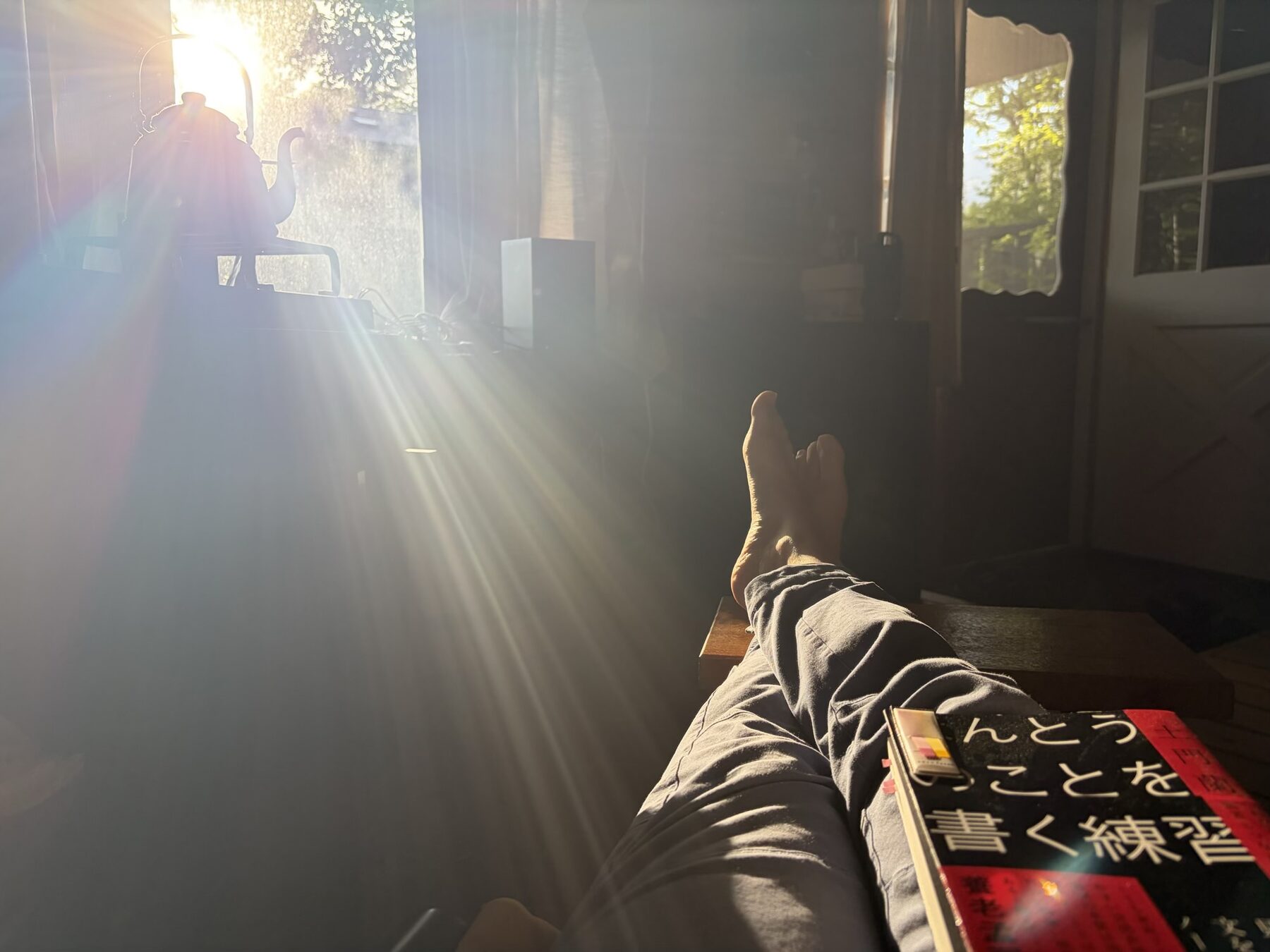
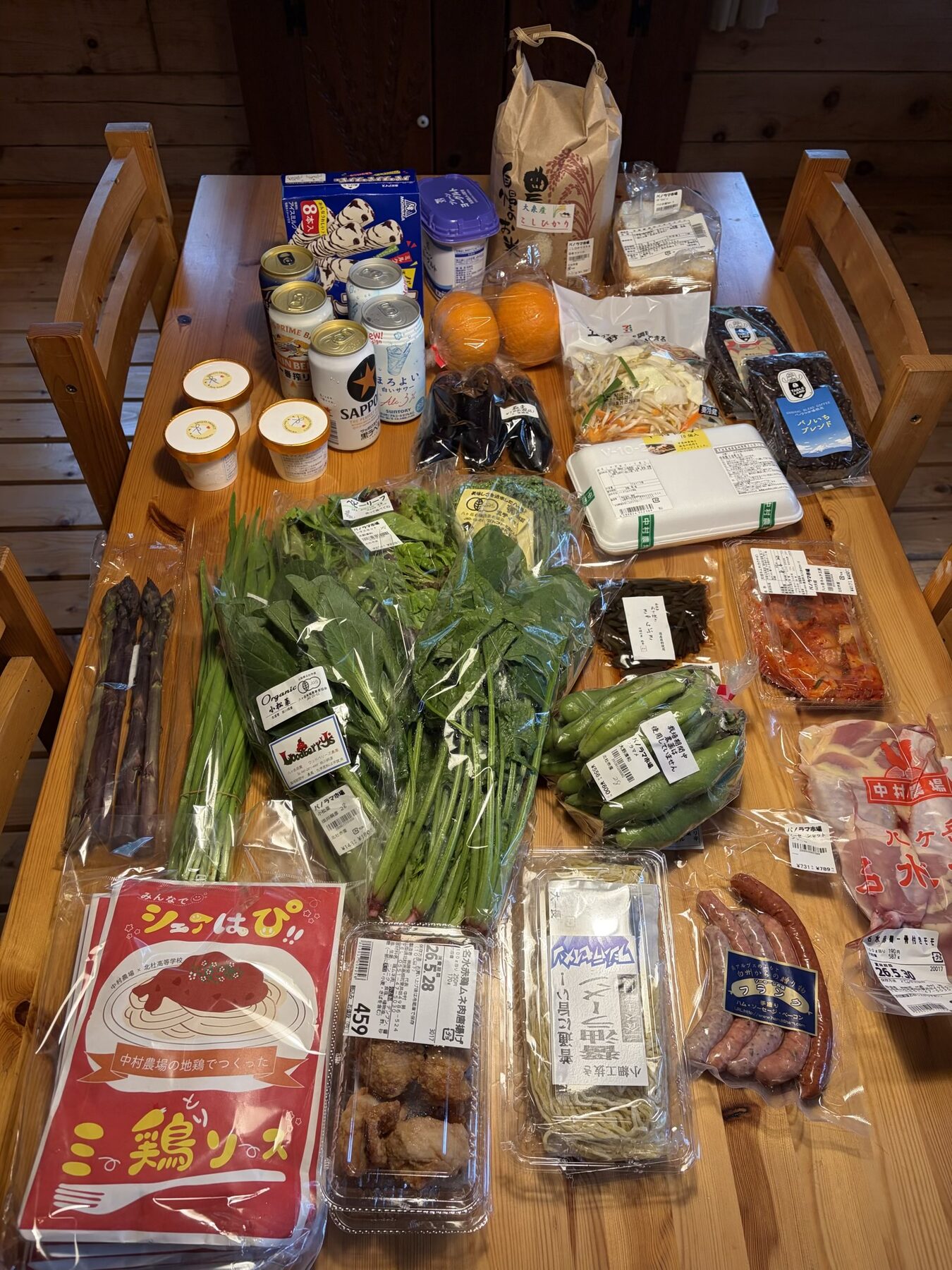
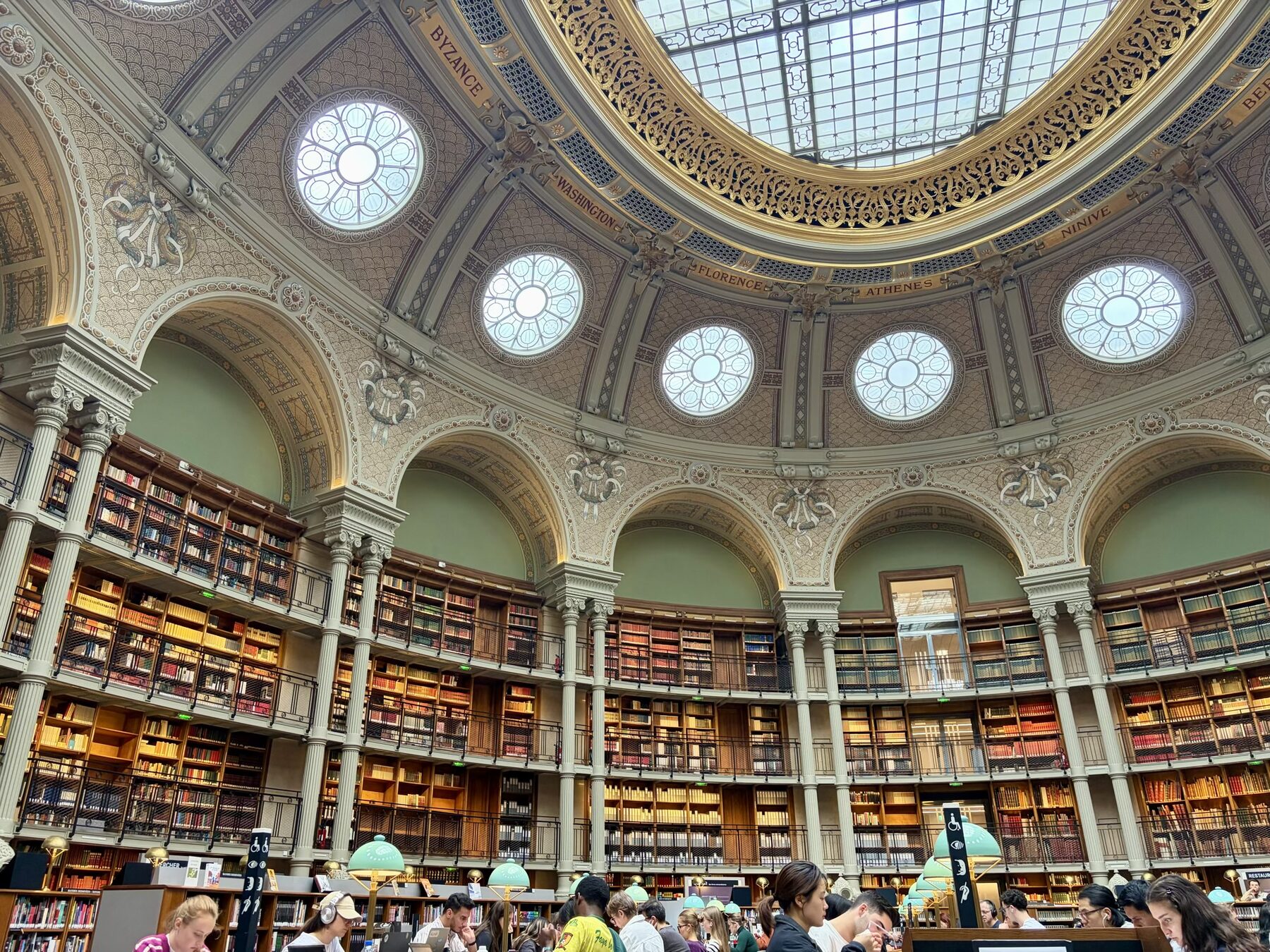
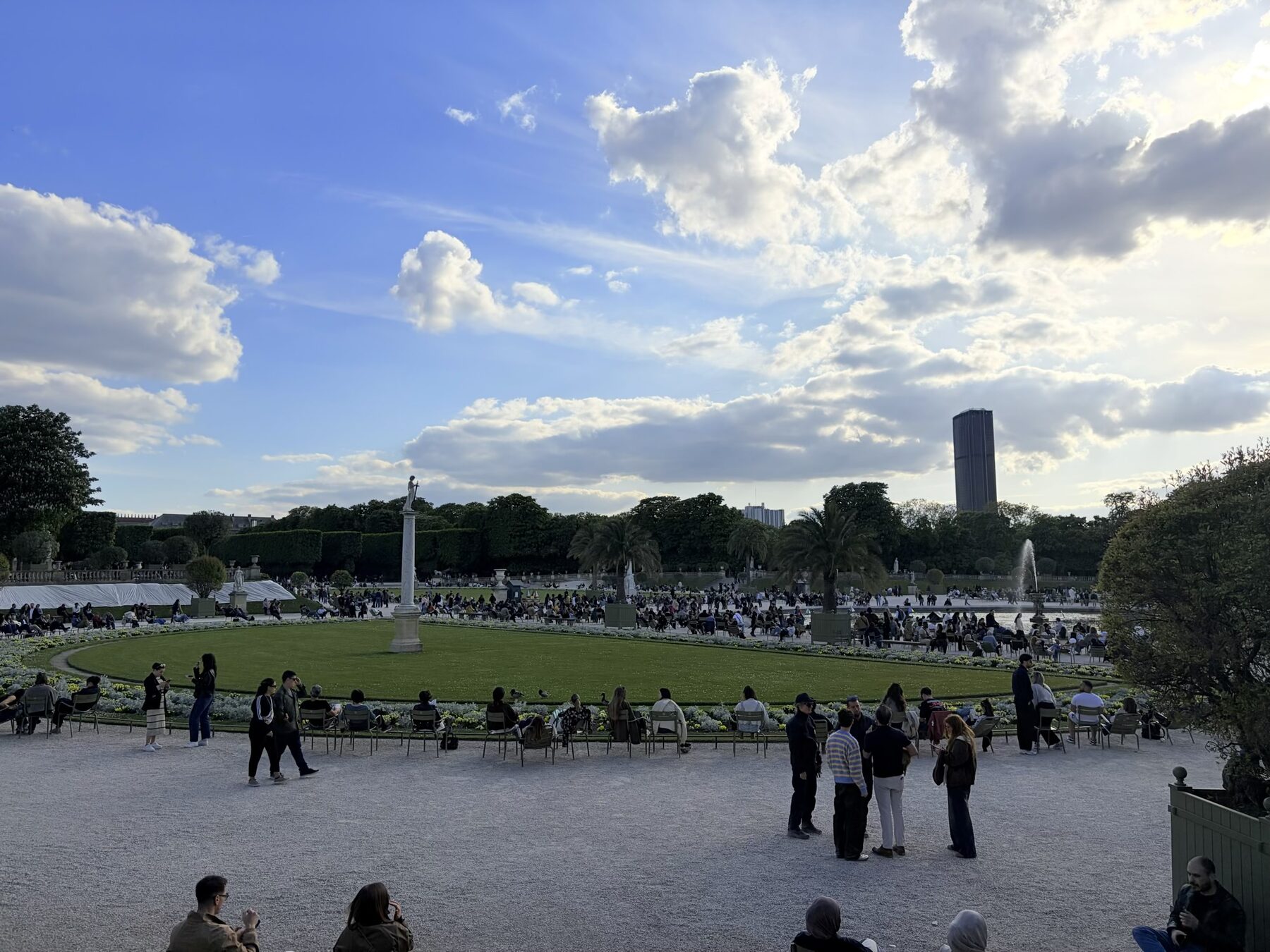
It was Golden Week in Japan and another three-day weekend in France, which made for a quiet week overall. I set aside the vague hiking plans I’d made earlier this year and happily spent five days seeing friends and coding.
I continued on the “Emotion Visual Builder”, to bring generative art to the Emotions at Work tooling. I’m having fun with CSS animations but haven’t nailed the aesthetics yet. In parallel, I prototyped a demo site to invite a potential partner into conversation. Very keen to see their reaction… it’d be a clear signal that validates (or not!) a business hypothesis we’re pursuing.
More and more friends around me are navigating grief, career stagnation, unequal partnerships, burnout, or endless life admin. And maybe these aren’t really “difficult seasons” so much as just life. As we get older, everyone carries more — more responsibility, more worry, more invisible logistics. The grace and steadiness with which people carry themselves through it all is humbling.
It’s been about five years since I started building friendships with older people, and one of the gifts they’ve given me — especially the women — is the understanding that everyone has something going on. And still, you show up, for yourself and for others.
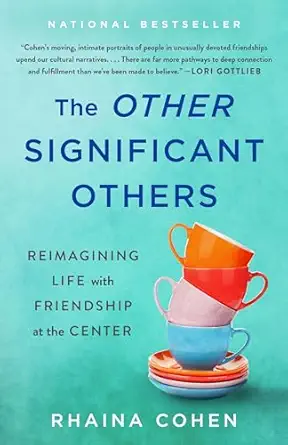
In that vein, Rhaina Cohen’s “The Other Significant Others: Reimagining Life with Friendship at the Center” was an insightful read. The title is a bit mis-leading, in a good way. The book is less about elevating friendship in opposition to romantic partnership, and more about imagining broader forms of mutualism and interdependence that decenter marriage as the default unit for walking through life in our modern world.
Here’s something that a new acquaintance said, which I want to remember:
We are never too old, and it’s never too late.